Which fruits are best for weight loss?
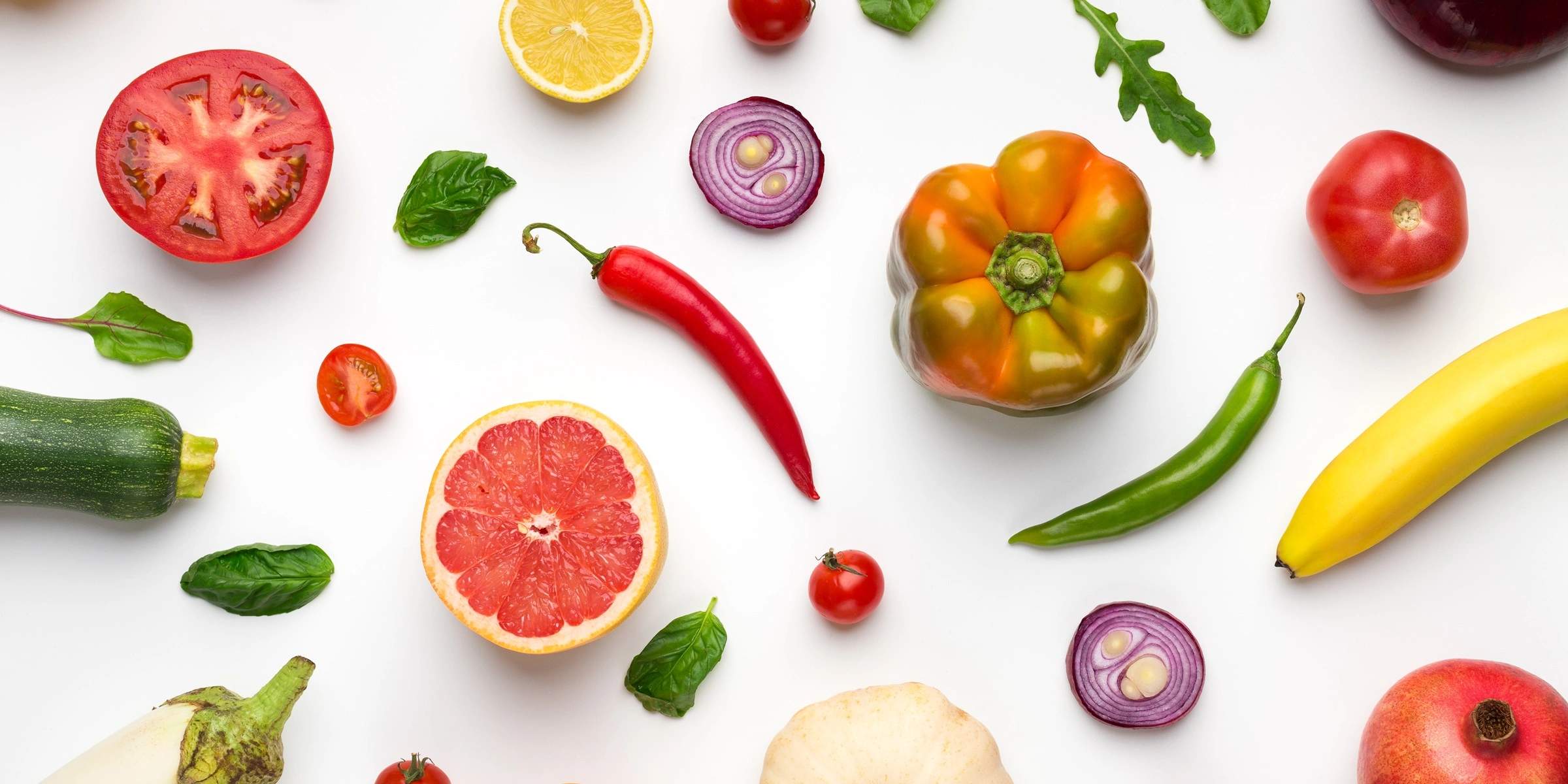
Whole fruit is the best choice. For general health, Eat for Health's recommended daily serves for adults list 2 serves of fruit a day.
A serve of fruit is about 150 g, or about 350 kJ (about 85 Cal), according to Eat for Health's guide to fruit. Examples of 1 serve:
1 medium apple, banana, orange or pear
2 small apricots, kiwi fruits or plums
1 cup of diced or canned fruit, with no added sugar
Whole fruit is high in fibre and water. Dried fruit is best kept for now and then, because it is high in kilojoules for its size and can harm your teeth. Nutrition support can help you fit fruit alongside the other food groups.
A note on food and weight: If thinking about food, weight or numbers starts to feel stressful or hard to control, tell your doctor. You can also call the Butterfly Foundation National Helpline on 1800 33 4673 (8am to midnight AEST/AEDT, 7 days, except national public holidays). If you need to talk to someone now, call Lifeline on 13 11 14.
What are the best vegetables for weight loss?
Non-starchy vegetables help most, because they are low in kilojoules and help fill you up. Most adults should eat at least 5 serves of vegetables a day, and men aged 19 to 50 need 6.
A serve of vegetables is about 75 g, or 100 to 350 kJ (about 25 to 85 Cal). Eat for Health's guide to vegetables gives these examples of 1 serve:
½ cup of cooked green or orange vegetables, such as broccoli, spinach, carrots or pumpkin
1 cup of green leafy or raw salad vegetables
1 medium tomato
½ medium potato or other starchy vegetable
Starchy vegetables, such as potato, sweet potato, taro and cassava, have more kilojoules than other vegetables. They still count, and they can be part of a filling meal. Eat for Health also links eating vegetables with a lower risk of weight gain.
Filling half your plate with vegetables is a simple rule of thumb. You can see the rule at work in everyday dinner and lunch ideas.
Are bananas, grapes and watermelon good for weight loss?
Yes. All whole fruits can fit into weight loss, including the ones with a reputation for being too sweet. There is no list of fruits you need to avoid. The amount matters more than the type.
Bananas. One medium banana is 1 serve. It travels well, so it is easy to take to work or eat after a walk.
Grapes. Grapes are easy to keep eating straight from the bunch. Put a portion in a bowl, so you can see how much you have.
Watermelon. One cup of diced watermelon is 1 serve. Cut a wedge into cubes ahead of time, so it is ready on a hot day.
Apples. One medium apple is 1 serve. It is crunchy, keeps well in a bag and needs no preparation.
Berries. Fresh and frozen berries both count. Frozen berries keep well and are handy in porridge or yoghurt.
Pineapple. One cup of diced pineapple is 1 serve. If you buy it canned, choose fruit with no added sugar and drain the liquid.
Mango. One cup of diced mango is 1 serve. Cut a whole mango into cubes and keep some for later.
Fruit is one of the easiest ways to add fibre to your day. Read how much fibre you need.
Is fruit too high in sugar?
No. The sugar to limit is added sugar, not the natural sugar in whole fruit.
The Better Health Channel advises choosing foods with naturally occurring sugars, such as fresh fruit. Its advice on sugar is to limit added sugars instead. These are found in soft drinks, cordials and fruit drinks.
Juice is different from whole fruit. It is low in fibre, so Eat for Health suggests having fruit juice only occasionally. If you have diabetes, check with your doctor or dietitian about how fruit fits your plan.
Are there fruits to avoid for weight loss?
No whole fruit needs to be avoided. Fresh, frozen and canned fruit without added sugar all fit a weight loss plan in sensible serves.
Some forms of fruit are easier to overdo. Eat for Health lists these as serves to have only occasionally:
Fruit juice: 125 ml (½ cup), with no added sugar
Dried fruit: 30 g, such as 4 dried apricot halves or 1½ tablespoons of sultanas
For canned fruit, skip fruit packed in syrup and choose fruit canned in juice or water. Whole fruit keeps its fibre and takes longer to eat, so it tends to fill you up more than juice.
What are easy ways to eat more fruit and vegetables?
Keep them in sight, ready to eat and part of meals you already make. Small changes add up across a week.
Keep a fruit bowl on the bench and some cut fruit in the fridge.
Add frozen vegetables to soups, pasta sauces and stir-fries.
Start dinner with a salad or a bowl of vegetable soup.
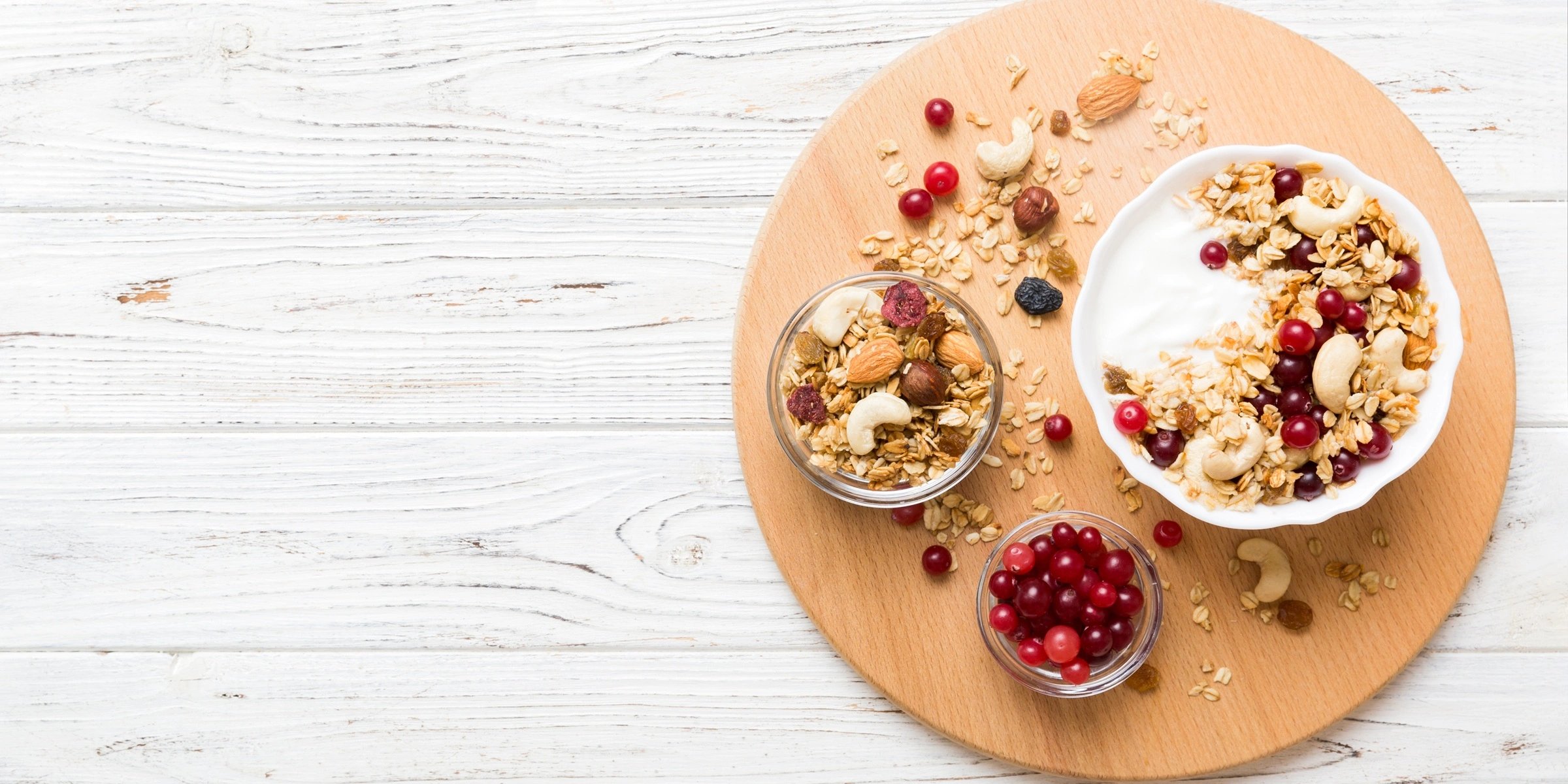
Add fruit to cereal, porridge or yoghurt at breakfast.
Pack a piece of fruit for the afternoon.
Use frozen and canned vegetables on busy nights.
For more ideas between meals, look at other healthy snacks. Over time, the best fruit for weight loss is the one you will keep eating, in sensible serves.