Is coffee good for weight loss on its own?
Not on its own, but it can be a lighter drink choice when you keep it simple.
The Better Health Channel's page on weight loss myths says there are no magical foods that remove body fat. It also names coffee made with full cream milk and flavoured syrup as a drink that adds energy, mostly from added sugar.
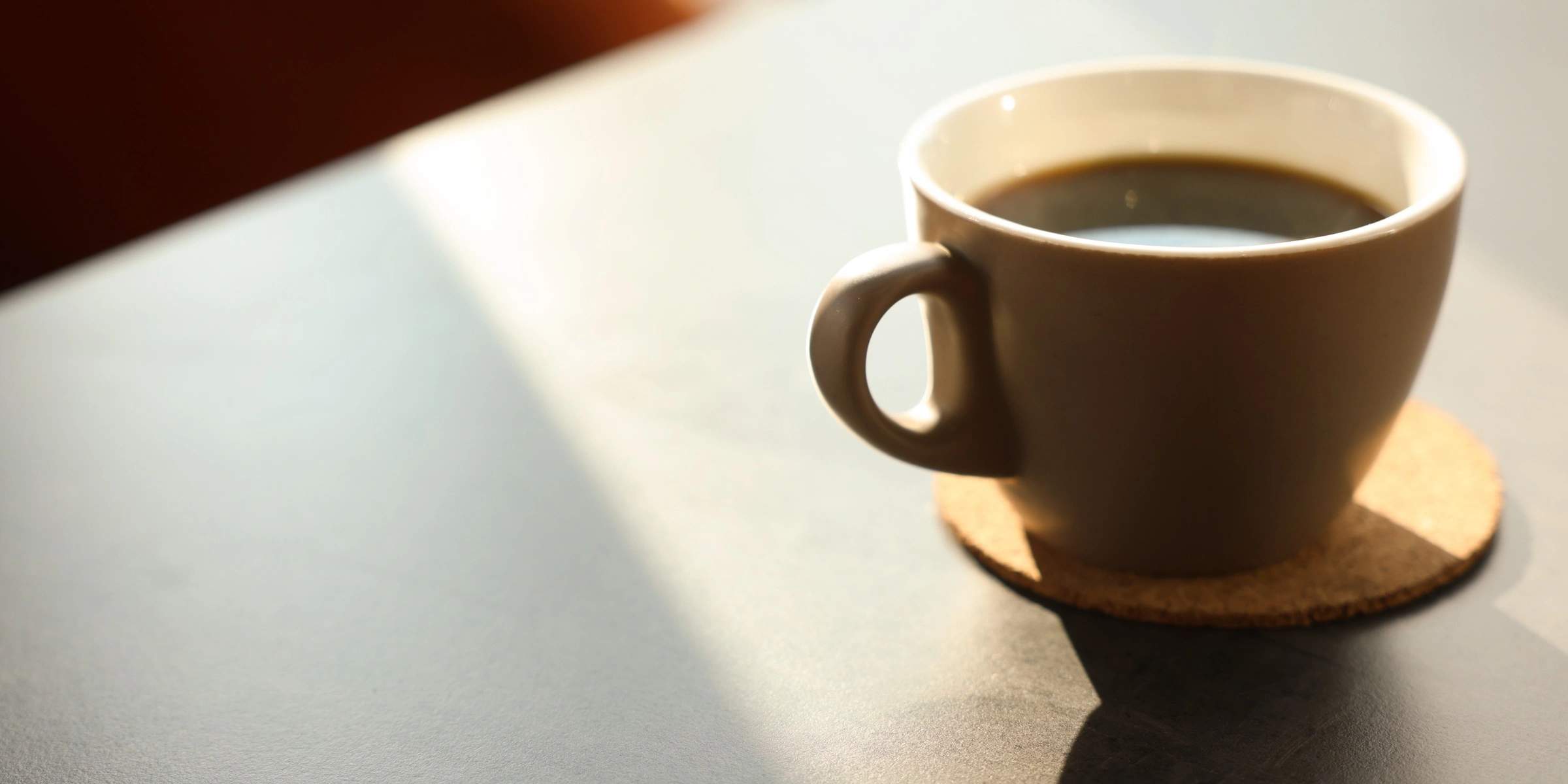
A plain espresso or long black adds very little energy. That makes black coffee a better everyday choice than sweet drinks, as long as the extras stay small.
The food that comes with coffee matters too. A muffin, slice of banana bread or pastry with every cup adds up over a week. Healthdirect's guide to kilojoules notes that cakes, desserts and pastries have much more energy than many other foods. To see how drinks and snacks fit into your whole day, read about nutrition support.
A note on food and weight: If thinking about food, weight or numbers starts to feel stressful or hard to control, tell your doctor. You can also call the Butterfly Foundation National Helpline on 1800 33 4673 (8am to midnight AEST/AEDT, 7 days, except national public holidays). If you need to talk to someone now, call Lifeline on 13 11 14.
How much caffeine is safe?
Healthy adults can safely have around 400 mg of caffeine a day, according to Healthdirect's caffeine guide. That is about 2 espressos or 4 instant coffees.
Caffeine levels vary a lot from cup to cup. Healthdirect lists about 80 mg in 1 teaspoon of instant coffee, and about 145 mg in a 50 mL espresso. A double shot or a large café coffee can contain more.
Some people need to take more care:
- Pregnancy or breastfeeding: Healthdirect suggests a limit of 200 mg a day. Check with your doctor first.
- Under 18s: less than 2.5 mg a day for each kilogram of body weight.
- Heart conditions or high blood pressure: even 100 to 200 mg can speed up your heart rate. Caffeine can also raise blood pressure. Ask your doctor what amount suits you.
Can coffee affect your sleep?
Yes. Caffeine can keep you awake, and its effects can last up to 12 hours, depending on the person. That figure comes from the Better Health Channel's guide to caffeine.
Poor sleep can leave you hungrier and more tired the next day, which makes food choices harder. If you sleep badly, try having your last coffee earlier, or switch afternoon cups to decaf or water. Read more about sleep and weight.
Where else does caffeine come from?
Coffee is not the only source of caffeine. Healthdirect's caffeine guide lists tea, cola, energy drinks, chocolate and guarana as other sources. They all count towards your daily total.
250 mL can of energy drink: about 80 mg
220 mL cup of black tea: about 50 mg
375 mL can of cola: about 36 mg
50 g bar of milk chocolate: about 10 mg
A few of these on top of your usual coffees can add up quickly. If you want to cut back, healthdirect suggests checking food and drink ingredient lists for caffeine.
Which coffee orders are lighter?
Black coffee is the lightest order. After that, a smaller cup, less milk and no added sugar or syrup keep the kilojoules down.
- Choose a small or regular size more often than a large.
- If you like milk, try a piccolo, macchiato or small flat white.
- Cut back on sugar slowly, a little at a time.
- Keep syrups, cream, whipped toppings and iced coffee with ice cream for now and then.
- If you use a plant-based milk, check the label for added sugar.
- Have coffee on its own some days, without a sweet snack.
You do not need to give up a coffee you enjoy. Pick the version that fits your day, and count it as part of what you eat and drink.
Can coffee speed up weight loss?
No. Adding things to coffee does not turn it into a weight loss tool.
Some popular trends add butter or oil to coffee. These add a lot of energy to a drink that would otherwise have very little. Green coffee and coffee "boosters" sold as supplements sit outside SHIFT care, so ask your doctor before you try one.
For more everyday myths, see our answers to common food questions. If you have a heart condition or poor sleep, ask your doctor how coffee fits your plan.