How do you judge whether a food helps weight loss?
Look at the whole food and how you eat it, not whether it has a healthy image. Four questions help:
How many kilojoules does a usual serve have?
Does it give you fibre, protein or other nutrients?
How big is the serve you usually eat?
What is added in cooking, such as butter, oil or sauces?
Eat for Health's guide to discretionary food choices covers foods like chocolate, cakes and lollies. It says people aiming to lose weight are more likely to be successful if they keep these foods to a minimum. They are high in kilojoules and low in nutrients. Learn how energy balance works through nutrition and lifestyle support.
How can food labels help you compare foods?
Food labels help when you choose between packaged versions of the same food. This is useful for items like peanut butter, microwave popcorn or a packed sushi tray.
Eat for Health's guide to food labels suggests these checks:
Use the nutrition information panel to compare similar foods per 100 g. Choose the one with less kilojoules, saturated fat, salt (sodium) and added sugars.
Check the serves per pack. A packet that looks like one serve may hold several.
Read the ingredients list. Ingredients are listed in order by weight, so the first ones make up the most.
Use the Health Star Rating to compare similar products. More stars means a healthier choice.
Is sweet potato good for weight loss? What about corn?
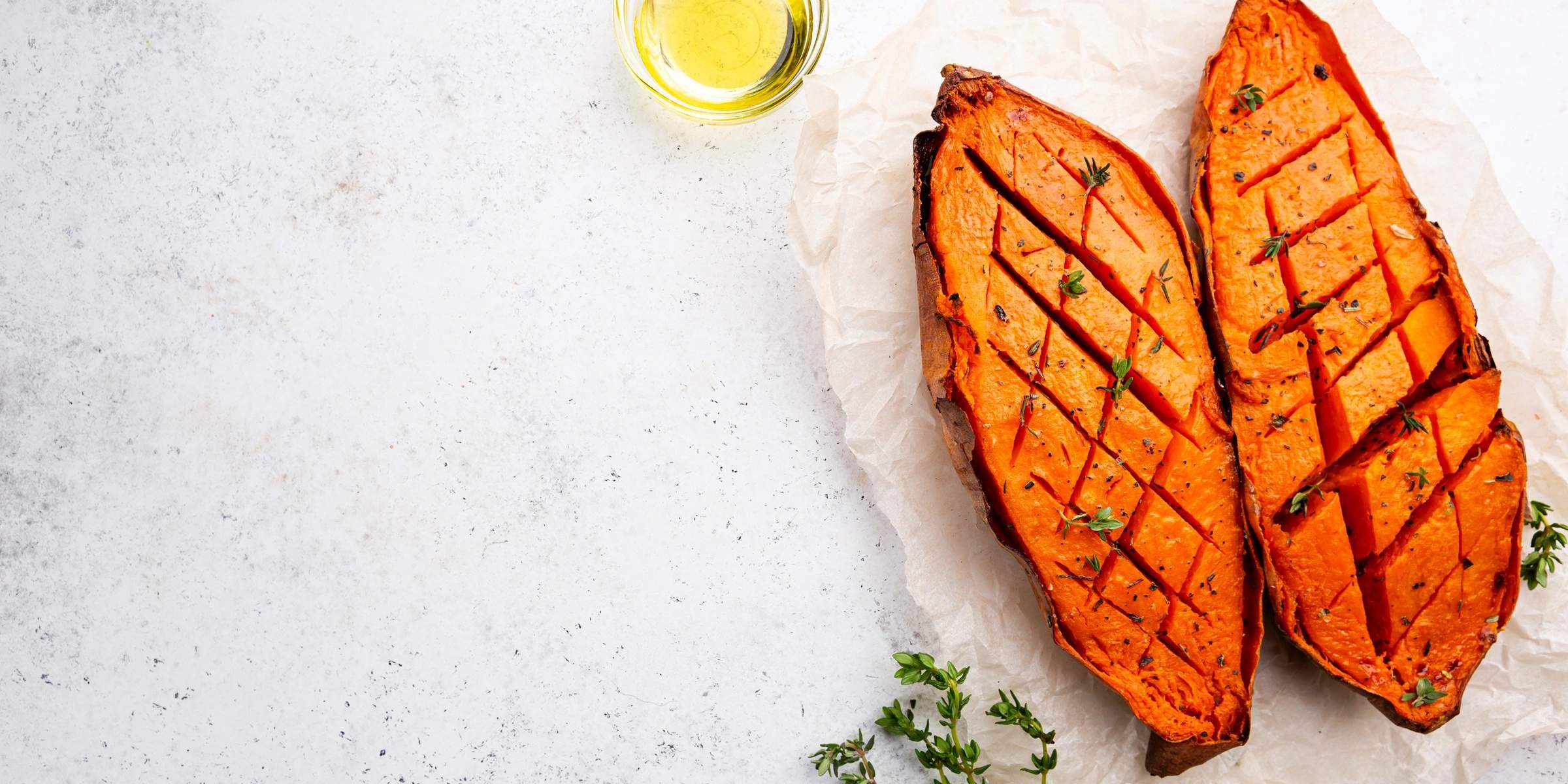
Yes, both are vegetables that fit a healthy eating pattern. They are starchy, so the serve size counts for more than it does with leafy greens.
In the Eat for Health guide for adults, 1 serve of vegetables is about 75 g. It has 100 to 350 kJ (about 25 to 85 Cal). Starchy examples include:
- ½ medium potato, or the same amount of sweet potato, taro or cassava
- ½ cup of sweet corn
Kumara is another name for sweet potato, so the same serve applies.
How you cook them changes the kilojoules. Boiled, steamed or baked sweet potato and plain corn on the cob are lighter choices than chips, or corn with lots of butter. Just 1 tablespoon (20 g) of butter has about 600 kJ (about 140 Cal), says Eat for Health.
Is avocado good for weight loss?
Avocado can be part of weight loss in small amounts. It is a source of healthy fats, but fats are energy-dense.
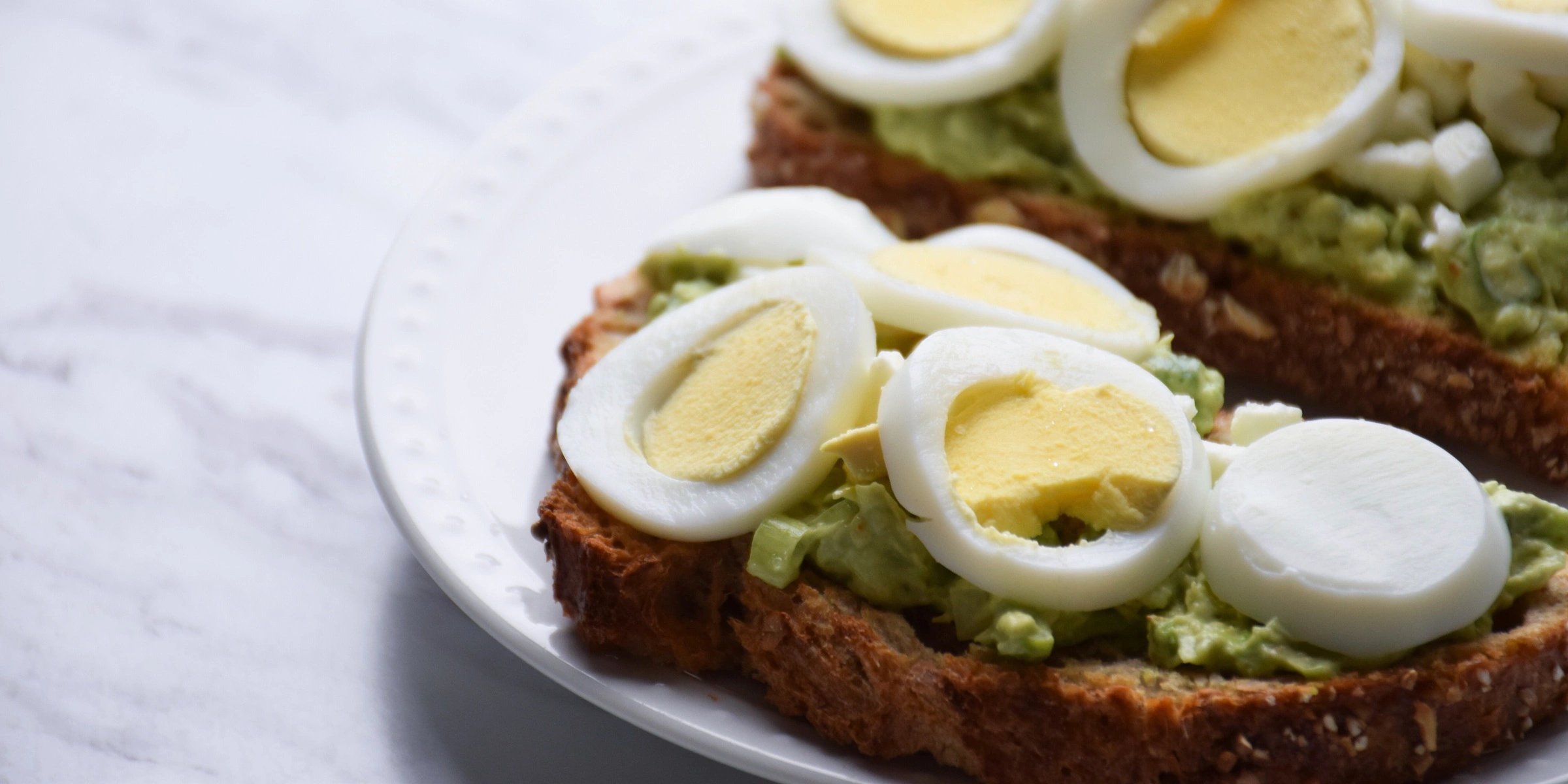
The Heart Foundation suggests swapping butter for avocado, olive oil or nut butters. Spreading a thin layer of avocado on toast, with no butter underneath, is an easy swap. A few slices go a long way.
All fats, even the healthy ones in the Mediterranean diet, carry a lot of kilojoules.
Where do dark chocolate, honey and dates fit?
They can fit in small amounts, but none of them helps weight loss on its own. Treat them as small extras, not health foods.
Dark chocolate
The Heart Foundation says high-polyphenol cocoa can reduce some risk factors for heart disease. It also says most manufactured chocolate is low in these substances. In the Australian guidance, chocolate is a discretionary food. Half a small bar (25 g) has about 600 kJ (about 140 Cal).
Honey
Honey is a sugar, even though it is natural. The Australian guidance groups jam and honey with other discretionary foods, such as lollies and soft drinks. A small drizzle on toast is fine now and then. Spoonfuls in drinks and on cereal every day add up.
Dates
Dates are a dried fruit. Under the same guide, 30 g of dried fruit counts as 1 serve of fruit, but only occasionally. Fresh fruit is the usual choice. Read more about fruit and vegetables for weight loss.
If you have diabetes, check with your doctor about sweet foods, including honey and dates.
Is popcorn, sushi or peanut butter good for weight loss?
Each one can fit. It depends on the serve and what is added.
Popcorn
Plain air-popped popcorn is a wholegrain snack. The Heart Foundation's guide to wholegrains suggests a handful as a snack. Butter, caramel and lots of salt turn it into a much heavier choice. For more ideas, see our healthy snacks for weight loss.
Sushi
Sushi can be a reasonable lunch. Most rolls are built around rice, and ½ cup of cooked rice is 1 serve of grain foods. That serve has about 500 kJ (about 120 Cal), according to Eat for Health.
- Choose fillings like fish, chicken, egg, tofu or vegetables more often than fried or creamy ones.
- Add a side salad or a bowl of edamame to make the meal more filling.
- Go easy on soy sauce if you are watching your salt.
Peanut butter
Peanut butter sits in the protein foods group, but it is energy-dense. Eat for Health counts 30 g of nut paste as 1 serve, for occasional use only. It gives less protein than other foods in the group. Eat for Health also says nut serves can be higher in kilojoules, so spread it thinly and choose one with no added salt.
Sweet potato is good for weight loss in a sensible serve, and most foods here follow the same rule. Keep the cooking plain and the serve to suit you. For other topics, browse our weight loss guides.
A note on food and weight: If thinking about food, weight or numbers starts to feel stressful or hard to control, tell your doctor. You can also call the Butterfly Foundation National Helpline on 1800 33 4673 (8am to midnight AEST/AEDT, 7 days, except national public holidays). If you need to talk to someone now, call Lifeline on 13 11 14.