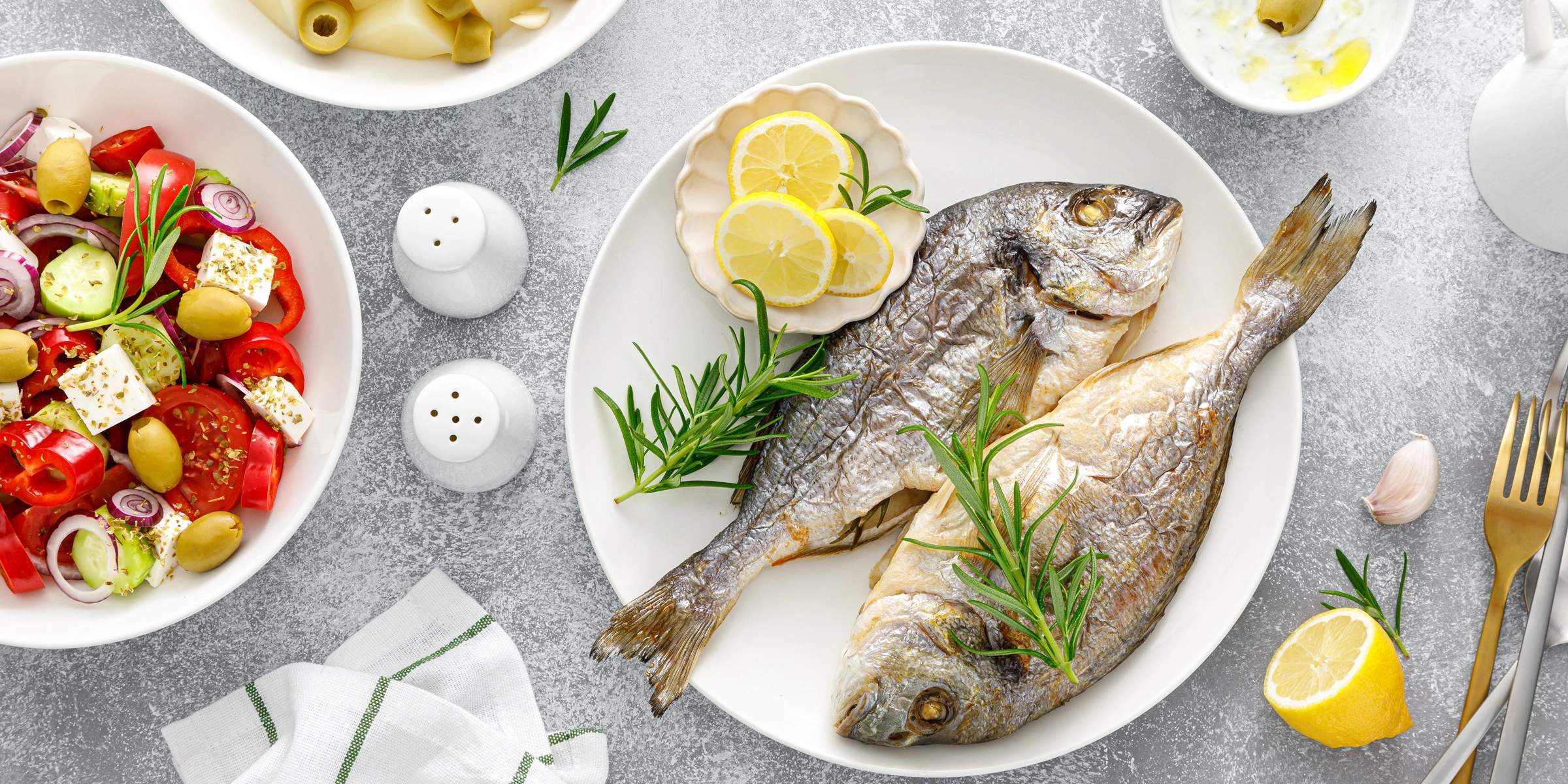
Grilled fish with lemon, Greek salad, olives and potatoes on a light table

Guide · Nutrition

The Mediterranean Diet and Weight Loss

The Mediterranean diet is a way of eating built on vegetables, fruit, wholegrains, legumes, fish, nuts and extra virgin olive oil. Research on the Mediterranean diet and weight loss points to a benefit for body weight. The link with heart health is strong. It works best when your serves still match your energy needs.
Reviewed by
Dr Jalal Ud Din Qamar
Last reviewed
23 October 2026
Reading time
6 min

The Mediterranean diet is a way of eating based on plant foods, fish and olive oil. This SHIFT guide explains what the diet includes, what research says about it and weight loss, and whether olive oil helps. It also shows what a Mediterranean-style week looks like and how to start.

What is the Mediterranean diet?

It is a style of eating, not a strict diet with fixed rules. Dietitians Australia's guide to the Mediterranean diet describes a pattern based mostly on plant foods, with healthy fats and fish.

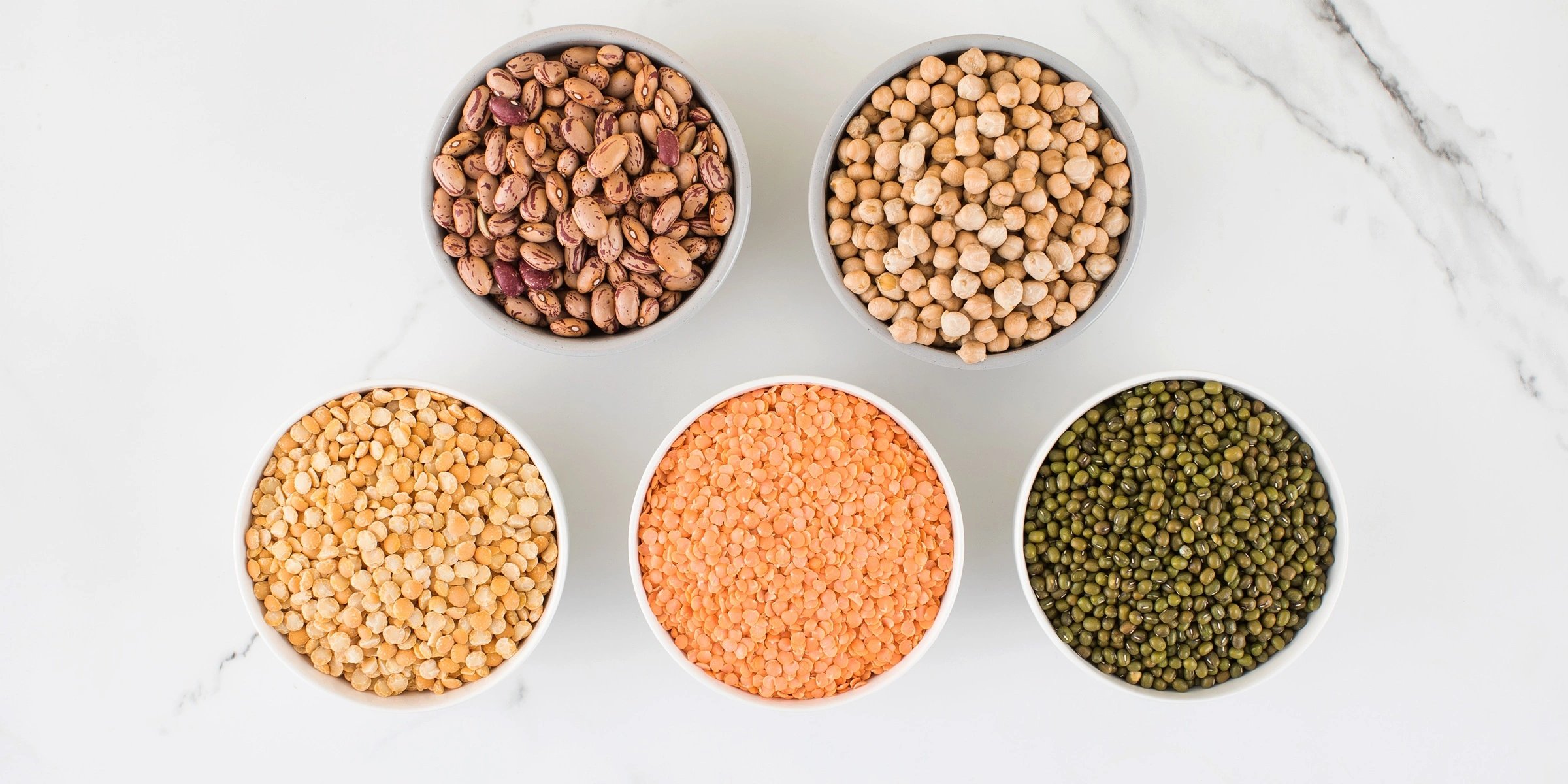
  • Vegetables, fruit, wholegrains and legumes, such as lentils and chickpeas, every day
  • Extra virgin olive oil and nuts as the main fats
  • Fish and seafood often, with moderate amounts of eggs, poultry and dairy
  • Little red meat, and processed meats such as salami or bacon only rarely
  • Few highly processed foods, refined grains, sugary drinks and foods with added sugars

Dietitians Australia notes that the mix of foods is likely to matter most, not any one food. The pattern fits well with our nutrition and lifestyle support, which is based on the Australian Dietary Guidelines.

What does research say about the Mediterranean diet and weight loss?

Weight changes are influenced by overall energy balance, alongside factors such as physical activity, appetite, sleep, medications and individual health conditions.

Dietitians Australia reports convincing evidence linking this pattern with a lower risk of heart disease, heart attack and diabetes. For body weight, it says the research is still growing but points to a benefit.

Part of the reason may be what the pattern leaves out. Sugary drinks and highly processed foods take up less room on the plate. Vegetables, legumes and wholegrains take up more.

The Heart Foundation's heart-healthy eating pattern has a very similar shape. It suggests plenty of vegetables, fruit and wholegrains, with legumes, nuts, seeds and fish as the main proteins. If you have heart disease, diabetes or another health condition that affects your dietary needs, check with your doctor first before you change how you eat.

Does olive oil help with weight loss?

Olive oil does not cause weight loss by itself. Extra virgin olive oil is a healthy fat to use instead of butter, but it is still energy-dense.

All fats provide about 37 kJ (about 9 Cal) per gram, according to Dietitians Australia's facts about fats. That includes extra virgin olive oil. So olive oil is a good choice of fat, but the amount you use still counts.

  • Use it as your main oil for cooking and for dressings.
  • Measure it with a spoon, so you know how much goes in.
  • It suits everyday cooking, including medium-heat frying, the Heart Foundation says.
  • There is no need to add extra oil to meals, or to have it on its own.

What does a Mediterranean-style week look like?

It looks like ordinary meals built around plants, with fish often and red meat now and then. Dietitians Australia suggests fish and seafood at least twice a week, and red meat no more than twice a week.

An example day might look like this. These are ideas to adapt, not set recipes. Adjust the serves to your hunger and needs.
MealExample
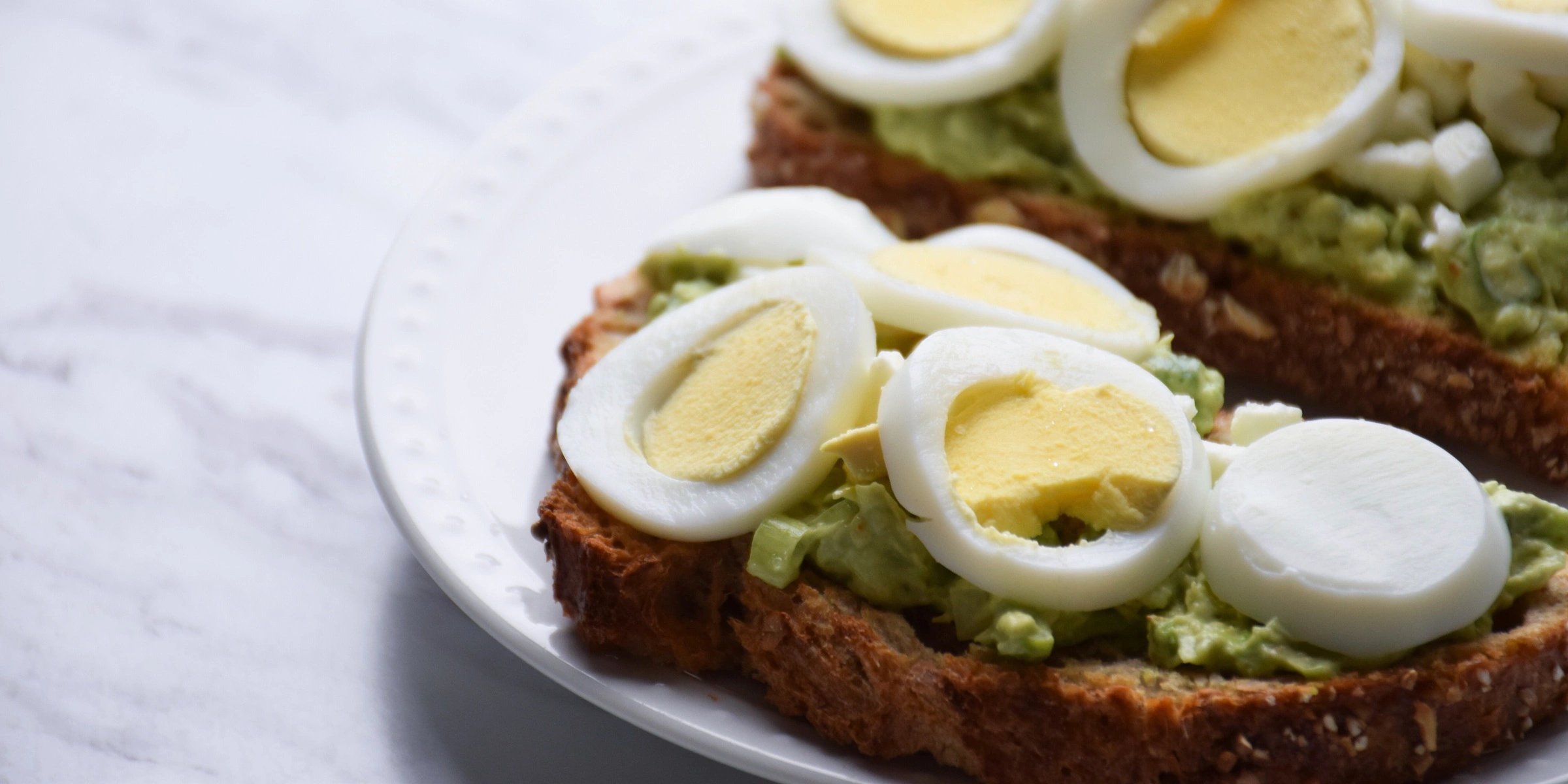
BreakfastWholegrain toast with tomato, a little avocado and an egg
LunchA large salad with chickpeas, leafy greens and cucumber, with a spoon of olive oil
SnackA small handful of unsalted nuts, or a piece of fruit
DinnerBaked fish with roasted vegetables and a serve of brown rice
Other nightsLentil soup, a bean stew, or chicken with grains and salad

Try lentils, beans or chickpeas on a few days of the week. You can try more meals from the healthy dinner and lunch ideas. If you wonder whether avocado or another single food is good for weight loss, see the common food questions.

How can you start eating this way?

Start with one or two changes you can keep, then add more. You do not need special foods or a new shopping list all at once.

  • Add a tin of rinsed chickpeas, beans or lentils to a soup, salad or pasta sauce.
  • Choose wholegrain bread, brown rice or wholemeal pasta when you next shop.
  • Swap one red meat meal a week for fish or a legume dish.
  • Keep a bowl of fruit where you can see it, and a jar of unsalted nuts for snacks.
  • Cook a large pot of vegetable and bean soup to cover a few lunches.

For other food and movement topics, browse our weight loss guides.

A note on food and weight: If thinking about food, weight or numbers starts to feel stressful or hard to control, tell your doctor. You can also call the Butterfly Foundation National Helpline on 1800 33 4673 (8am to midnight AEST/AEDT, 7 days, except national public holidays). If you need to talk to someone now, call Lifeline on 13 11 14.

Is the Mediterranean diet about more than food?

Yes. The traditional pattern also covers how people eat and live. Dietitians Australia describes eating with friends and family, and taking time over meals, as part of it.

It also names regular physical activity, sharing meals and keeping stress low. Dietitians Australia says these habits promote positive social connections and a less stressful outlook on life.

You can bring some of this into your own week:

  • Sit down at the table for meals, away from screens.

  • Share a meal with family or friends when you can.

  • Add a walk after dinner, or other movement you enjoy.

Common questions

Questions about the Mediterranean diet

Make this way of eating work for you

Book a consultation to talk through the Mediterranean diet and weight loss with a doctor who will ask about your health history. Your first assessment is free, then $49 per follow-up. Terms apply.

Free first assessment ($0) for new patients. Follow-ups $49. No subscription. Terms apply.

Clinical review

Medically reviewed by Dr Jalal Ud Din Qamar, MBBS, FRACGP, DCH (AHPRA registration MED0001622535). Last reviewed: 23 October 2026.